
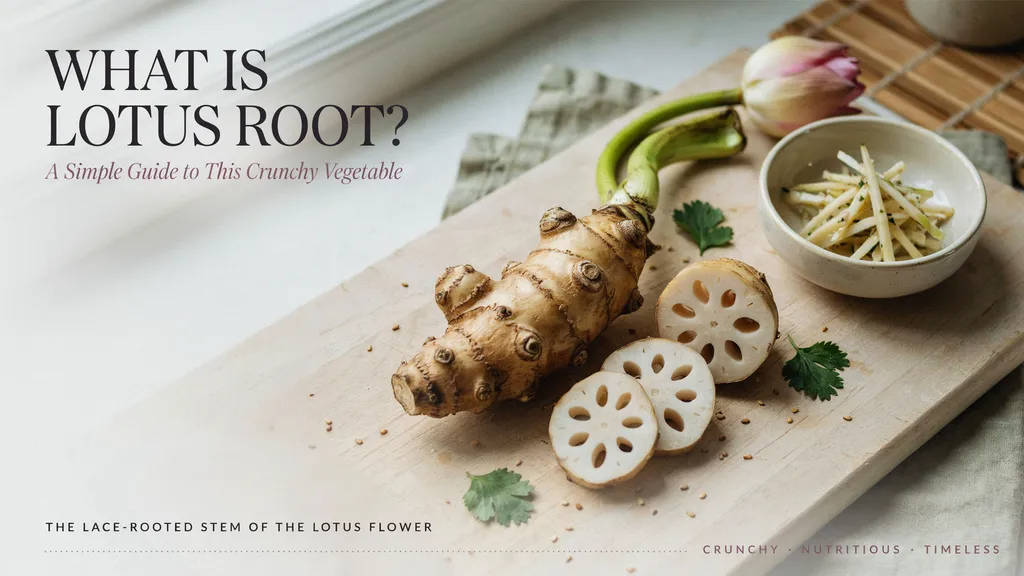
Have you ever seen a vegetable that looks like a beautiful piece of art? That is exactly what you get when you slice into a Lotus Root. This unique plant grows underwater in ponds. It is the stem of the lovely lotus flower. When you cut it crosswise, it reveals a pattern of holes that look just like lace. It is quite a sight to see! People have been eating this crunchy vegetable for a very long time. It is a staple in many Asian dishes. I remember the first time I saw it at a market. I was amazed by how sturdy and pretty it looked. It is much more than just a decoration. It is a tasty, healthy treat that brings a fun crunch to any meal you prepare.
Where Does This Plant Come From?
The lotus root grows in mud at the bottom of calm ponds and lakes. It is truly a marvel of nature. The plant grows upward toward the sun, but the edible part stays hidden below the water. Farmers have to be very careful when harvesting it. They need to pull the stems out of the mud without breaking them. It is hard work, but it keeps the vegetable fresh and clean. Because it grows in water, it has a very clean and crisp texture. It is fascinating to think about how such a simple plant can travel from a muddy pond to your dinner plate. This journey makes it a very special ingredient to use in your daily cooking.
What Does It Taste Like?
Many people ask me what a lotus root tastes like. The flavor is actually quite mild and a little bit sweet. Some folks say it tastes like a mix of a potato and a water chestnut. It is not too strong, so it pairs well with many other flavors. The best part is the texture. It stays crunchy even after you cook it! This makes it perfect for stir-fries, soups, or even cold salads. If you like a nice “snap” in your food, you will love eating this. It absorbs sauces very well, which means every bite is packed with delicious flavor from your spices and marinades.
Nutrition Facts You Should Know
Adding lotus root to your diet is a great way to stay healthy. It is full of important vitamins and minerals. For example, it has a lot of Vitamin C, which helps keep your immune system strong. It is also packed with fiber, which is great for your tummy. This crunchy veggie is low in calories but high in energy. I love that it helps me feel full after a meal. It is a fantastic choice if you want to eat more plants and stay feeling your best. Plus, it is naturally free of many common allergens, making it a safe choice for almost everyone in your family.
How to Prepare and Clean It
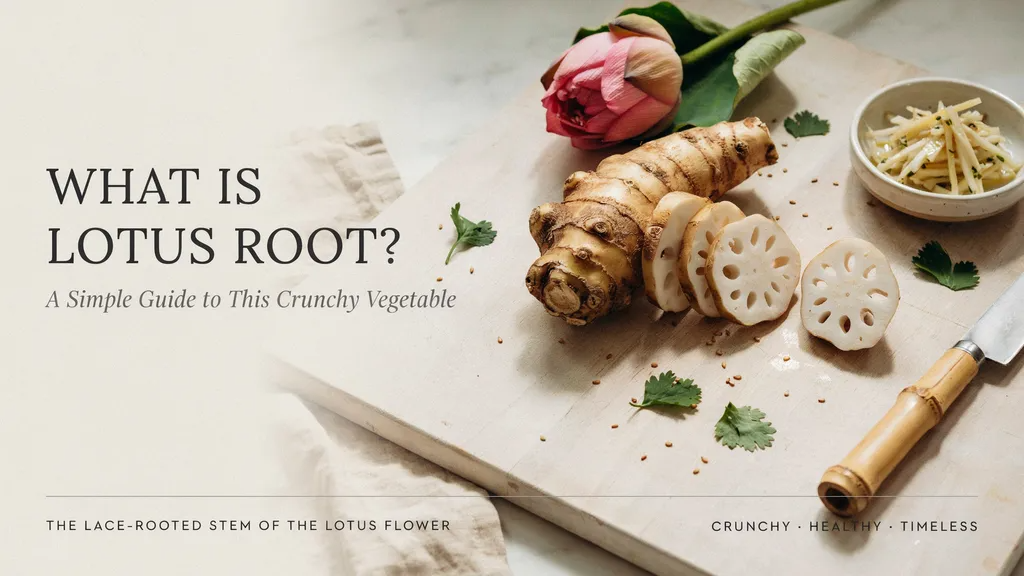
Cleaning a lotus root is a simple process once you know the steps. First, you should peel the brown skin off with a vegetable peeler. It will look smooth and creamy underneath. Next, wash it well under cold water to get rid of any hidden dirt. Then, slice it into thin rounds. You will see those beautiful holes right away! If you are not cooking it right away, place the slices in a bowl of water with a little vinegar. This keeps them from turning brown. Taking these small steps helps keep your food looking perfect and ready for the pan.
The Best Ways to Cook It
There are so many fun ways to cook lotus root at home. One of my favorite methods is stir-frying. Just toss the slices into a hot pan with a little oil, soy sauce, and ginger. It stays perfectly crunchy! You can also boil it for soups. The holes look so pretty floating in a clear broth. Another great way is to deep-fry the slices to make crispy chips. They are a much healthier alternative to potato chips. No matter how you choose to make it, the veggie holds its shape well. It is a very forgiving ingredient for beginners to try in the kitchen.
Lotus Root in Traditional Recipes
Throughout Asia, lotus root is a beloved ingredient in many classic recipes. In Japan, it is often simmered in a sweet and savory sauce called kinpira. It is a side dish that many families eat with rice. In China, it is sometimes stuffed with sticky rice and served as a sweet dessert with honey. These traditions show how versatile this plant really is. It can be savory for dinner or sweet for a treat. I love trying these traditional recipes because they teach me how to respect the ingredient. Every culture has a unique way of celebrating this crunchy, hole-filled vegetable.
Shopping for the Best Quality
When you go to the store, look for a lotus root that is firm and heavy for its size. Avoid any pieces that feel soft or have dark, mushy spots. The skin should look light brown and mostly smooth. If you find one that is already cut, make sure the holes look clean and the flesh inside is white. You can usually find these in the produce section of Asian grocery stores. Sometimes they are sold in the frozen food aisle, too. Buying fresh is always great, but frozen slices are super convenient when you are in a rush to make a quick dinner.
Storage Tips for Freshness
If you have leftover lotus root, do not worry. You can keep it fresh for a few days in the fridge. Wrap the unwashed, whole pieces in a paper towel and place them in a plastic bag. This keeps it from drying out. If you have already sliced it, keep the slices in a container of cold water. Change the water every day to keep the pieces crisp and white. Storing it properly ensures you can enjoy this tasty vegetable more than once. It is a great way to reduce food waste and keep your kitchen organized.
A Fun Ingredient for Your Kids
Do you want to get your kids excited about veggies? Show them a lotus root! The lace-like pattern is a natural conversation starter. They will love seeing the holes when you slice it. It is like a little puzzle on their plate. You can turn it into healthy snacks, like crunchy oven-baked chips. Because it has such a mild flavor, it is easy to pair with their favorite dips like ranch or hummus. Making healthy food look fun is a great trick for parents. This vegetable is a perfect way to bring excitement to your family dinner table.
Conclusion
You might be wondering why you should bother trying a new vegetable like lotus root. The answer is simple: it is fun, healthy, and delicious! It breaks the routine of eating the same old carrots and potatoes. Plus, it gives you a chance to explore new flavors and textures. I encourage you to pick one up next time you are at the market. Whether you make a simple stir-fry or a fancy soup, it will surely impress your family. It is a small change that brings big flavor to your cooking. Why wait? Start your crunchy, healthy journey with this amazing plant tonight.
Comparison Table: Lotus Root vs. Potatoes
| Feature | Lotus Root | Potato |
| Texture | Crunchy, stays crisp | Soft, starchy |
| Growth | Underwater (ponds) | Underground (soil) |
| Appearance | Lace-like pattern | Solid, plain |
| Best Use | Stir-fries, cold salads | Mashed, baked, fried |
| Main Benefit | High fiber, Vitamin C | Good energy source |
Frequently Asked Questions
1. Is lotus root healthy to eat?
Yes! It is packed with fiber and Vitamin C, which helps your body stay strong and healthy.
2. Does lotus root taste like potatoes?
It has a mild, slightly sweet flavor. The texture is much crunchier than a potato, though.
3. Do I need to peel the lotus root?
Yes, it is best to peel the brown outer skin before you slice and cook it.
4. Can I eat it raw?
It is better to cook it. Blanching or stir-frying makes it much easier to digest and tastier.
5. How do I keep it from turning brown?
Soak the sliced pieces in water mixed with a little bit of lemon juice or vinegar.
6. Where can I buy lotus root?
You can find it at most Asian grocery stores in the fresh or frozen produce section.
Are you ready to cook with lotus root? Grab one at your local store and share your favorite recipe with me in the comments below!