
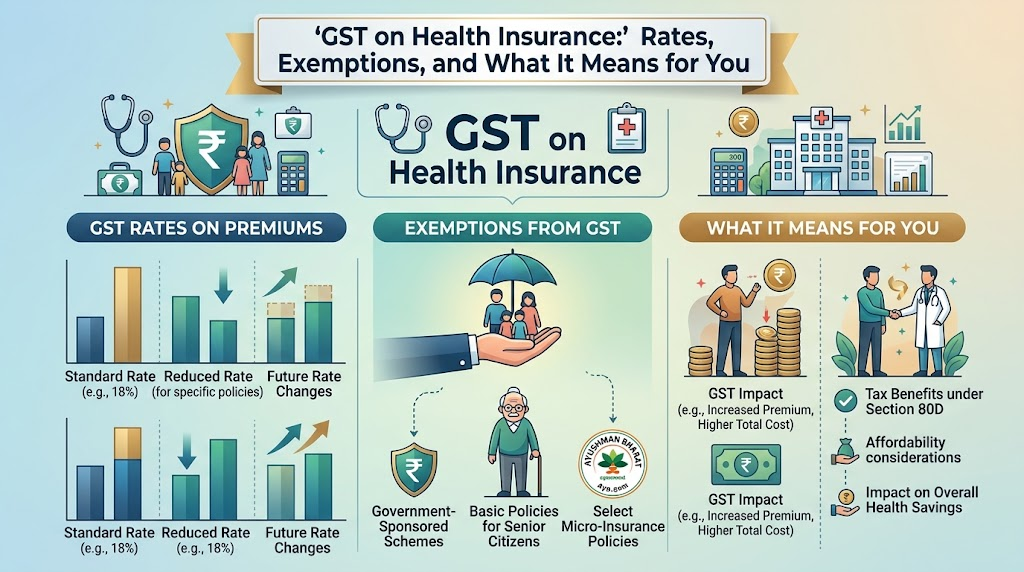
When you think about buying a medical plan to protect your loved ones, every single rupee counts. For a long time, buying a policy came with an extra tax burden. This extra tax was known as the Goods and Services Tax, or simply GST. People often asked how GST on Health Insurance affected their yearly family budgets. In the past, this tax added a heavy cost to already expensive medical premiums. Families had to stretch their hard-earned money just to keep their coverage active. Understanding these tax rules helps you make smart choices for your household. It lets you plan your finances without running into hidden surprises. When you know how taxes apply to medical protection, you can pick the right coverage. Let us dive deep into what this tax means for you and your family today.
The Big Change: Zero Tax on Personal Plans
Big changes happened when the government decided to remove extra taxes from personal medical plans. The topic of gst on health insurance became a major headline across the country. Officials listened to everyday people who struggled with high medical costs. They decided that retail buyers should get relief from heavy indirect taxes. Because of this shift, individual buyers no longer pay that extra tax percentage on their personal policies. This update brought a massive sigh of relief to millions of households. It means your yearly renewal bill will look much friendlier than it did before. When you pay your premium, your money goes directly toward your actual health coverage instead. This shift makes personal financial planning much easier for everyone involved.
How Individual and Family Floater Plans Work Now
If you buy a plan just for yourself, you experience the full benefit of these modern tax rules. People often look closely at gst on health insurance when shopping for solo coverage. The great news is that individual plans now carry a zero tax rate. This rule also applies directly to family floater policies. A family floater lets you cover your spouse and children under one shared safety net. Previously, adding family members meant a much higher tax bill because the base price was higher. Now, that barrier is completely gone for retail buyers. You can protect your whole family under one umbrella without worrying about extra tax charges. It is a wonderful way to keep your household safe while keeping your wallet happy.
What Happens to Corporate and Group Policies?
Even though personal plans got a major tax break, workplace plans follow a different path. Many employees wonder how gst on health insurance applies to office group covers. If your employer gives you a group health policy, that specific plan still attracts an eighteen percent tax rate. Companies and business owners pay this tax when they secure group benefits for their staff. While individual retail buyers enjoy zero tax, corporate policies remain under the older tax structure. This is an important detail to remember if you rely entirely on your office cover. Job changes can make employer plans disappear. Because of this, many smart planners keep a personal plan on the side to stay safe no matter what.
Senior Citizens and Reduced Medical Strain
As people age, staying healthy requires more frequent visits to doctors and clinics. Older adults often face very high costs when purchasing senior citizen medical plans. Looking at gst on health insurance for older adults shows why recent updates matter so much. In the past, high base prices combined with an eighteen percent tax made coverage very tough to manage. Today, senior citizen policies enjoy the zero tax exemption just like individual plans do. This means grandparents and retirees can keep their vital protection active without extra financial stress. Lowering these costs helps older individuals maintain peace of mind during their retirement years. It ensures that medical safety remains within reach when people need it most.
Critical Illness and Super Top-Up Plan Benefits
Sometimes a basic medical policy is simply not enough to handle major health crises. That is why many people buy extra layers of protection like critical illness covers and super top-ups. People frequently check gst on health insurance rules when adding these extra layers. Standalone critical illness plans provide a lump sum if you face severe diseases. Super top-up plans kick in once your regular hospital bills cross a certain limit. Under current guidelines, these retail add-ons and extra layers also fall under the zero tax category. This makes it much cheaper to build a strong safety net. You can upgrade your total protection shield without taking on extra tax penalties.
Detailed Breakdown of Medical Plan Tax Rates
| Policy Type | Previous Tax Rate | Current Tax Rate | Who It Affects |
| Individual Plan | 18% | 0% | Solo policy buyers |
| Family Floater | 18% | 0% | Households and couples |
| Senior Citizen Plan | 18% | 0% | Older adults and retirees |
| Group / Corporate Plan | 18% | 18% | Office employees |
| Top-Up & Riders | 18% | 0% | People expanding coverage |
Why These Tax Updates Matter for Your Wallet
Saving money on your yearly medical bills changes how you plan your family budget. When people evaluate gst on health insurance savings, they find room for other important needs. Extra cash saved from taxes can go toward wellness checks or better hospital choices. Medical inflation grows rapidly every single year. Hospital rooms, medicines, and doctor fees get more expensive over time. Removing the extra tax acts as a helpful shield against these rising costs. It gives middle-class families a chance to breathe easier. You no longer have to compromise on the quality of your healthcare just to save a few coins. Smart financial planning now stretches much further than it used to.
Tips to Maximize Your Policy Value Today
Getting the best out of your medical policy takes a bit of thoughtful planning. If you want to master gst on health insurance rules, timing is everything. Always check the date when your renewal payment goes through. Payments made after the tax exemption rules took effect automatically receive the zero tax benefit. Next, consider upgrading your sum insured. Because you no longer pay extra tax, you might find that a higher coverage amount fits nicely inside your old budget. Always read your policy documents carefully to confirm whether your plan is a retail product or an employer group scheme. Staying informed ensures you never miss out on valuable savings.
Common Misconceptions About Medical Policy Taxes
Many myths float around regarding how taxes apply to medical protection plans. Some folks still believe that gst on health insurance applies to every single policy sold in the market. That is completely false. While office group plans still carry taxes, retail personal plans do not. Another common myth is that insurance companies pocket the difference when taxes drop. In reality, regulatory guidelines require companies to pass financial benefits directly to everyday consumers. Knowing the facts stops you from falling for old rumors. Always check official insurance portals or talk to trusted advisors to get accurate details about your specific policy. Clear facts lead to better decisions for your family’s safety.
Conclusion
The landscape of medical protection in the country continues to evolve in positive ways. Discussions around gst on health insurance show a strong push toward making protection accessible for all. When basic financial safeguards become cheaper, more citizens step forward to protect their households. This creates a healthier and more secure society overall. As healthcare needs grow, staying updated on tax rules keeps you a step ahead. Keep an eye on future policy announcements so you can adapt your strategy. Protecting your family is a lifelong journey, and having the right knowledge makes that journey smooth, safe, and affordable.
Frequently Asked Questions
Is there any tax charged on personal medical policies now?
No, personal retail plans do not carry extra tax charges. Individual and family policies enjoy a zero tax rate.
Does my office-provided medical cover include this tax relief?
Office group plans still attract an eighteen percent tax rate. The tax removal applies strictly to retail individual plans.
How does the tax removal affect senior citizen coverage?
Older adults benefit greatly because senior citizen policies now carry zero tax. This lowers the financial strain on retirees.
Are extra riders and top-up plans tax-free too?
Yes, standalone critical illness covers and super top-up plans bought by individuals are also free from extra taxes.
How do I check if my renewal bill has the updated tax rate?
Check your premium payment invoice. If your payment falls under the retail individual category, you will see zero tax applied.
Can I use my tax savings to buy a higher coverage amount?
Yes, many people use their savings to upgrade to a higher sum insured, giving their family better protection.