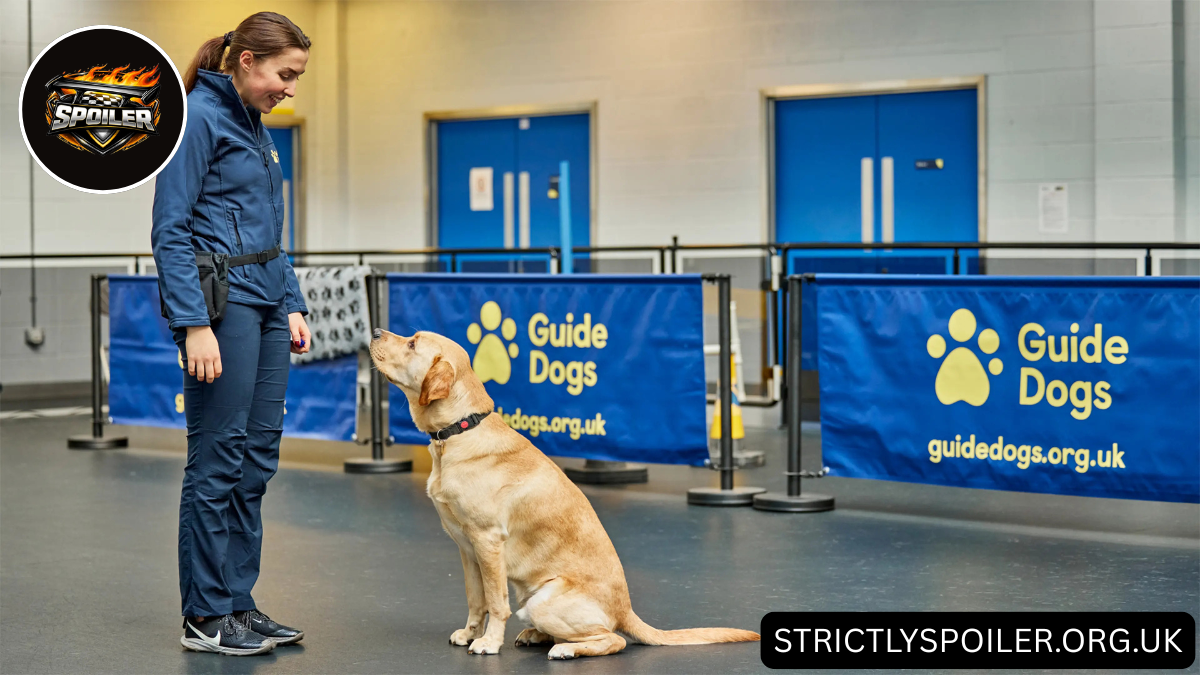
Guide dogs jobs are increasingly recognised as some of the most meaningful roles within the UK charity and care sector. These positions combine professional responsibility with social purpose, supporting people with sight loss to live more independent lives. From animal care to community engagement, this field offers work that feels worthwhile while also providing long-term career stability and personal growth.
Across the country, guide dogs jobs attract people from varied backgrounds who share a passion for service, teamwork, and animal welfare. As awareness of accessibility continues to grow, so does demand for skilled and compassionate staff. This has created a wide range of roles suited to both experienced professionals and those looking to start a new career path.
Understanding the Role and Purpose of Guide Dogs Work
At the heart of guide dog services is a simple but powerful aim: to support independence and confidence for people with visual impairments. Employees work collaboratively to ensure dogs are trained to the highest standards while also supporting the people who rely on them. Every role contributes in some way to this shared mission, whether directly or indirectly.
The work environment is professional, structured, and people-focused. Staff members often describe a strong sense of teamwork and shared values. While responsibilities can be demanding, the knowledge that your work directly improves lives makes this sector deeply fulfilling for those seeking purposeful employment.
Types of Roles Available Within the Sector
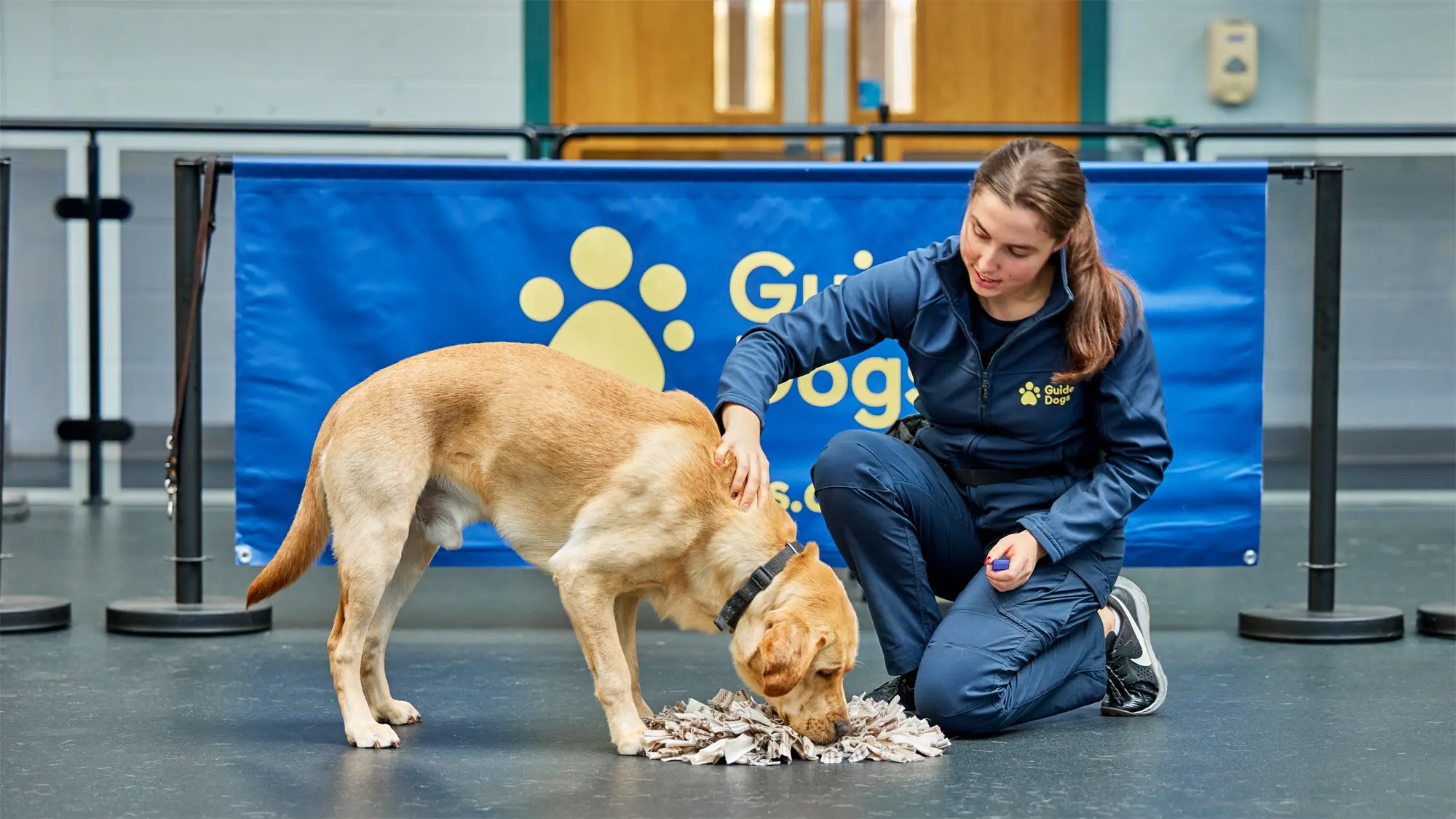
The variety of roles available is one of the strongest attractions of guide dogs jobs. Practical positions include dog trainers, puppy development advisors, and mobility instructors, all of which involve hands-on work and close attention to detail. These roles require patience, consistency, and a genuine understanding of animal behaviour and human needs.
Alongside practical roles, there are office-based opportunities in administration, fundraising, communications, and programme coordination. These positions support frontline services and ensure organisations run smoothly. This balance of practical and professional roles allows individuals with different skills to find a place within the sector.
Skills, Qualities, and Training Requirements
Success in this field depends as much on personal qualities as formal training. Employers value empathy, resilience, and strong communication skills, as staff regularly interact with colleagues, service users, and volunteers. A calm and patient approach is particularly important for those involved in training or direct support roles.
Many organisations provide comprehensive training programmes, making guide dogs jobs accessible even to those without prior experience. On-the-job learning, mentoring, and professional development are common, allowing employees to build confidence and expertise over time while progressing within their chosen career path.
Salary Expectations and Employment Benefits
Guide dogs jobs salary levels vary depending on role, experience, and location, but they are generally competitive within the charity sector. Entry-level roles offer stable starting pay, while specialist and senior positions provide opportunities for higher earnings. Clear pay structures and progression routes help employees plan long-term careers.
Beyond salary, benefits often include pension schemes, generous holiday allowances, and flexible working options. Many employers also prioritise staff wellbeing, recognising the emotional and physical demands of the work. These benefits contribute to high levels of job satisfaction and staff retention.
Finding Guide Dogs Jobs Across the UK
Opportunities are available across England, Scotland, and other parts of the UK, reflecting the nationwide reach of guide dog services. Urban and regional centres often host training facilities and support teams, while community-based roles operate in local areas. This geographical spread makes it possible to find work close to home.
Regularly checking official career pages and specialist job boards is the most effective way to stay informed. Some roles are highly competitive, so early applications and location flexibility can improve chances. Persistence and preparation are key when searching for guide dogs jobs in your chosen region.
The Application and Recruitment Process
Applying for guide dogs jobs requires a thoughtful and tailored approach. Employers look for candidates who understand the mission of the organisation and can demonstrate relevant skills through real examples. A clear, well-structured CV supported by a focused cover letter can make a strong first impression.
Interviews often explore values, teamwork, and problem-solving rather than technical knowledge alone. Candidates may be asked how they handle responsibility, adapt to challenges, or work with others. Showing genuine commitment and a willingness to learn can be just as important as previous experience.
Challenges and Rewards of the Work
Working in this sector can be physically and emotionally demanding, particularly in hands-on roles. Long hours, outdoor work, and emotional investment are common aspects of the job. Understanding these realities helps candidates decide whether the work aligns with their expectations and lifestyle.
Despite the challenges, the rewards are significant. Employees often describe a strong sense of pride and achievement, knowing their efforts have a lasting impact. For many, guide dogs jobs offer not just employment, but a meaningful vocation built on compassion and service.
Conclusion
Guide dogs jobs provide a rare combination of professional development, stability, and social impact. With a wide range of roles available and structured training pathways, this sector welcomes individuals from many backgrounds. Those who value teamwork, empathy, and purpose are particularly well suited to this work.
For anyone seeking a career that goes beyond routine employment, guide dogs jobs offer the chance to make a genuine difference. By understanding the roles, expectations, and application process, aspiring candidates can confidently take the next step towards a fulfilling and impactful future.
Frequently Asked Questions
What are Guide Dogs jobs?
Guide Dogs jobs are roles that help support people with sight loss through dog training, mobility services, administration, fundraising, and community support.
Do I need experience for Guide Dogs jobs?
Many Guide Dogs jobs provide full training, although some specialist positions may ask for previous experience in animal care or support services.
What is the average Guide Dogs jobs salary in the UK?
Salaries depend on the role and location, with entry-level jobs offering stable pay and senior positions providing higher earning opportunities.
Where can I find Guide Dogs jobs in the UK?
You can find Guide Dogs jobs on official charity career websites, trusted UK job boards, and recruitment platforms.
Are Guide Dogs jobs full-time only?
No, both full-time and part-time opportunities are available depending on the role and employer requirements.
What skills are needed for Guide Dogs jobs?
Strong communication, patience, teamwork, empathy, and a genuine interest in helping people and animals are highly valued.
Are Guide Dogs jobs good for career growth?
Yes, many organisations offer training programmes, promotion opportunities, and long-term career development.
Can I apply for Guide Dogs jobs without animal care experience?
Yes, many office-based and support roles do not require direct animal care experience.
Do Guide Dogs jobs include remote work options?
Some administrative and support roles may offer flexible or hybrid working options depending on the employer.
Why are Guide Dogs jobs considered meaningful careers?
Because they allow people to make a real difference by helping visually impaired individuals live more independent lives.
Also Read: last posting dates