
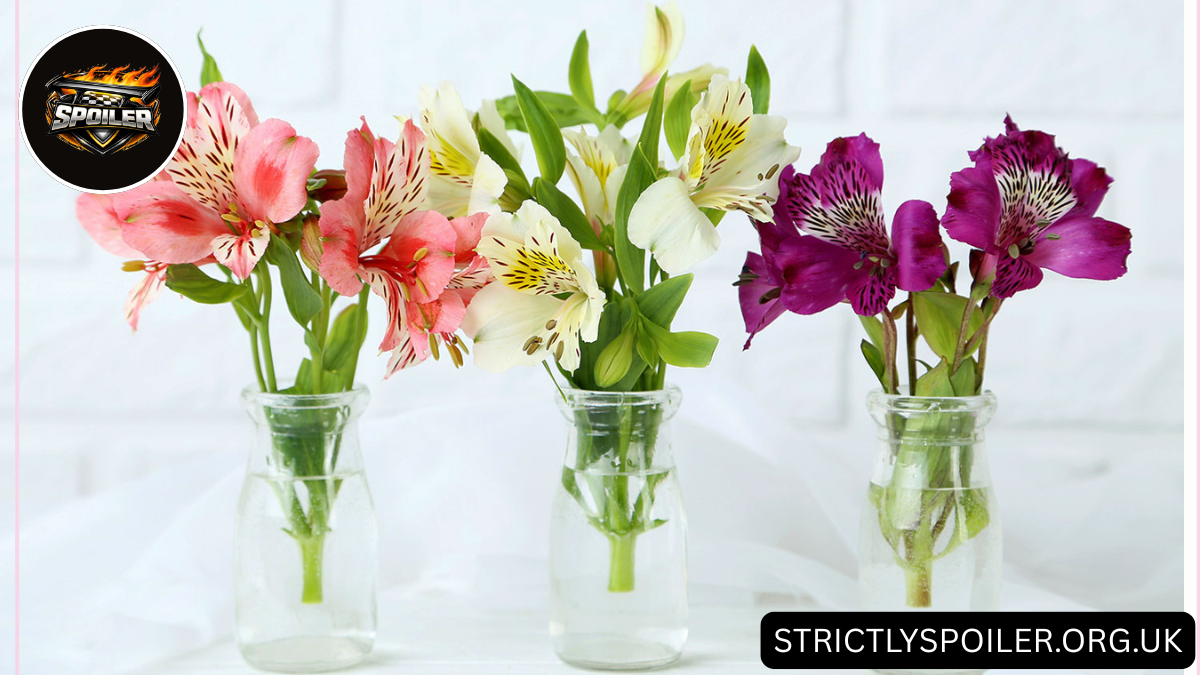
Alomesteria is a commonly searched gardening term in the UK, often used by people looking to grow the colourful and reliable Peruvian lily. While the spelling varies online, the plant itself has become increasingly popular in British gardens thanks to its vibrant flowers, long blooming season, and relatively simple care requirements. Gardeners value it for borders, containers, and cut-flower displays alike.
Interest in alomesteria continues to grow as more people seek hardy perennials that perform well in the UK climate. Its ability to return year after year, combined with eye-catching blooms, makes it an excellent choice for both beginner and experienced gardeners. Understanding how this plant grows and what it needs is essential for achieving consistent, healthy results.
Understanding the Alomesteria Plant
The alomesteria plant is a clump-forming perennial that grows from tuberous roots hidden beneath the soil. These roots store energy during the growing season, allowing the plant to die back in winter and return strongly in spring. Above ground, it produces upright stems topped with clusters of lily-like flowers marked with delicate streaks.
These plants are well known for their long flowering period, which can extend from late spring into summer. Alomesteria works well in mixed borders where it adds height, colour, and structure. When planted in the right conditions, it remains tidy, controlled, and visually impressive for many years.
How to Grow Alomesteria in the UK Climate
Growing alomesteria successfully in the UK starts with choosing the right location. The plant prefers a sunny position where it can receive several hours of direct light each day. Light shade is tolerated, especially during very warm summers, but too much shade can reduce flowering and weaken growth.
The UK’s temperate climate suits this perennial well, provided soil drainage is addressed. Cold, wet winter soil can damage the tubers, so raised beds or improved soil structure are helpful. Once established, alomesteria adapts well to seasonal changes and copes with moderate frost when protected properly.
Soil, Watering and Feeding Requirements
Healthy growth depends heavily on well-prepared soil. Alomesteria thrives in loose, well-drained soil enriched with organic matter such as compost. This allows roots to spread freely while preventing water from sitting around the tubers. Heavy clay soil should be improved before planting to avoid future problems.
Watering should be consistent during spring and summer, especially during dry spells. However, the soil should never remain waterlogged. Feeding with a balanced fertiliser in spring supports strong growth, while an additional feed during flowering helps maintain energy and encourages prolonged blooming.
Alomesteria Plant Care and Maintenance
Regular care keeps alomesteria looking its best throughout the growing season. Removing faded flowers helps the plant focus on producing new blooms rather than seeds. Taller varieties may need gentle support to prevent stems bending, particularly in exposed garden positions or during heavy rain.
Leaves should be left untouched until they naturally yellow and die back. This process allows nutrients to return to the tubers, strengthening the plant for the following year. Cutting foliage back too early can weaken future growth and reduce flowering performance.
Common Problems and How to Fix Them
Most problems associated with alomesteria are linked to drainage or positioning. Yellow leaves often indicate overly wet soil, while poor flowering is usually caused by insufficient sunlight. Correcting these issues early can restore plant health without the need for chemical treatments.
Pests are rarely severe, but slugs, snails, and aphids may occasionally appear. Regular checks and simple, natural control methods are usually effective. Good air circulation and sensible spacing also reduce the risk of fungal diseases, keeping plants strong and attractive.
Does Alomesteria Come Back Every Year?
Alomesteria is a hardy perennial that reliably returns each year under suitable conditions. During autumn, the plant naturally dies back above ground, entering a dormant phase throughout winter. The tubers remain alive beneath the soil, protected from cold temperatures.
In colder parts of the UK, adding a light mulch provides extra frost protection. This layer helps regulate soil temperature and prevents damage during harsh weather. When spring arrives, fresh shoots emerge, often producing even more flowers than the previous season.
Propagation and Spreading of Alomesteria

Over time, alomesteria spreads gradually by forming additional tubers, creating fuller clumps. This controlled growth makes it easy to manage in garden borders. If space becomes limited, clumps can be lifted and divided to maintain plant size and vigour.
Propagation is best carried out in spring or early autumn. Carefully separating the tubers and replanting them in prepared soil encourages rapid establishment. This method allows gardeners to expand their planting or share healthy plants without purchasing new ones.
Conclusion
Alomesteria is a dependable and visually striking plant that suits a wide range of UK gardens. Its long flowering season, resilience, and modest care requirements make it a valuable addition to borders, patios, and cutting gardens. With thoughtful planting and routine maintenance, it offers consistent colour year after year.
By understanding its soil preferences, watering needs, and seasonal behaviour, gardeners can enjoy healthy plants with minimal effort. Alomesteria rewards attention with abundant blooms, making it an excellent choice for anyone seeking lasting beauty in their outdoor space.
Frequently Asked Questions
Is alomesteria easy to grow in the UK?
Alomesteria is easy to grow and suits the UK climate well when planted in well-drained soil with good sunlight.
Can alomesteria be grown in pots or containers?
Yes, alomesteria grows successfully in containers if drainage is excellent and watering is carefully managed.
Does alomesteria come back every year?
Alomesteria is a hardy perennial and returns each year after dying back in winter.
Should alomesteria be cut back in winter?
The foliage should be left to die back naturally before cutting it down in late autumn or early winter.
Does alomesteria spread quickly in gardens?
Alomesteria spreads slowly and remains easy to control through occasional division.
Is alomesteria better in full sun or shade?
Alomesteria performs best in full sun but can tolerate light shade in UK gardens.
How long do alomesteria flowers last?
The flowers last several weeks on the plant and are also long-lasting as cut flowers.
Also Read: locksbottom