
Complete Detailing Table
| Feature / Detail | Description |
| Focus Keyword | picpoul |
| Primary Region | Languedoc, France |
| Main Flavor Profile | Crisp, citrus, green apple, flinty minerality |
| Primary Food Pairing | Oysters, grilled fish, fresh seafood |
| Readability Target | 5th-grade level |
| Paragraph Length | 100 to 200 words |
Have you ever tried a white wine that makes your mouth water with just one little sip? If not, you need to meet Picpoul. This is a very special kind of white wine. It comes from the sunny south of France near the sea. People love this drink because it is super fresh and bright. When you pour a cold glass, it sparkles in the light. It smells like a fresh lemon sitting on a sunny kitchen table. Many wine fans call it a hidden treasure. It is not as famous as chardonnay yet. But once people taste it, they always want another glass. If you enjoy drinks that wake up your taste buds, you are in the right place. Let us dive in and learn why this zesty French wine is so much fun to drink on a warm afternoon.
What Is Picpoul?
Picpoul is an ancient grape variety grown mostly in France. The name actually translates to lip stinger in the local language. That sounds a little funny and maybe a bit sharp. But the name comes from the high natural acidity found in the grape. When you take a sip, you get a lively zing on your tongue. It wakes you right up. Farmers have grown these vines near the Mediterranean Sea for hundreds of years. The warm sun helps the grapes ripen nicely. At the same time, the cool sea breeze keeps the grapes fresh and tart. Winemakers squeeze these little green grapes to make a pale and lovely juice. They do not age this wine in heavy oak barrels. Instead, they keep it clean and pure in steel tanks. This keeps the fruity and floral flavors shining brightly in your glass every single time you pour it.
Where Does It Grow Best?
The absolute best place to find picpoul is a sunny coastal area called Picpoul de Pinet. This is a special spot inside the bigger Languedoc region in southern France. Imagine long rows of green vines sitting right next to a giant blue lagoon. The soil here is made of ancient rocks, sand, and clay. These poor soils force the roots of the vine to dig deep underground for water. That struggle gives the fruit a unique mineral taste. The hot summer sun shines down all day long. Then, cool air rolls in off the water at night. This big change in temperature helps the grapes keep their refreshing tartness. When you drink a bottle from this specific seaside village, you can almost taste the salty air and the warm sunshine. It is a true taste of the French coast in a bottle.
What Does It Taste Like?
Drinking a glass of picpoul is like biting into a crisp green apple. You get a rush of bright citrus flavors right away. Lemon and lime notes dance on your tongue. Sometimes you might even taste a little bit of white peach or wet chalk. The most important thing you will notice is the high acidity. It is crisp, clean, and very dry. There is no sweet sugary taste hiding in this glass. It feels light and bouncy in your mouth. Because it is so refreshing, it is the ultimate drink for a hot summer day. You do not need to think too hard about the flavors. You just enjoy how cool and crisp it feels. If you like lemonade or tart limeade, this wine will feel very familiar and friendly to your palate right away.
The History of the Grape
People have talked about picpoul in old books for a very long time. Farmers in France planted these vines way back in the seventeenth century. Back then, they did not always drink it by itself. They often mixed it with other grapes to add a sharp kick to the blend. Over the years, smart winemakers realized this grape deserved to shine all on its own. They started making single-varietal bottles that showed off the pure fruit. Local fishermen were some of the very first fans. They needed a cheap and tart drink to wash down their daily catch. Word spread from the small fishing villages to big cities nearby. Soon, restaurants all over the world wanted a bottle on their wine lists. Today, it stands proud as a famous regional specialty with a rich and tasty history.
How to Serve It Right
You want to serve picpoul ice cold. Do not drink it at room temperature. If it gets warm, the tart flavors taste a little too sharp. Pop the bottle in the fridge for a few hours before you open it. An old bucket filled with ice and water works wonders too. When the bottle is nice and chilled, grab a standard white wine glass. Pour a moderate amount so the liquid stays cold in the glass while you chat with your friends. Give the glass a little swirl. Stick your nose in and take a big sniff of the lemon aromas. Take a slow sip and let the cool liquid roll around your mouth. Serving it at the proper cold temperature makes all the wonderful fruit flavors pop out and taste their absolute best for you and your guests.
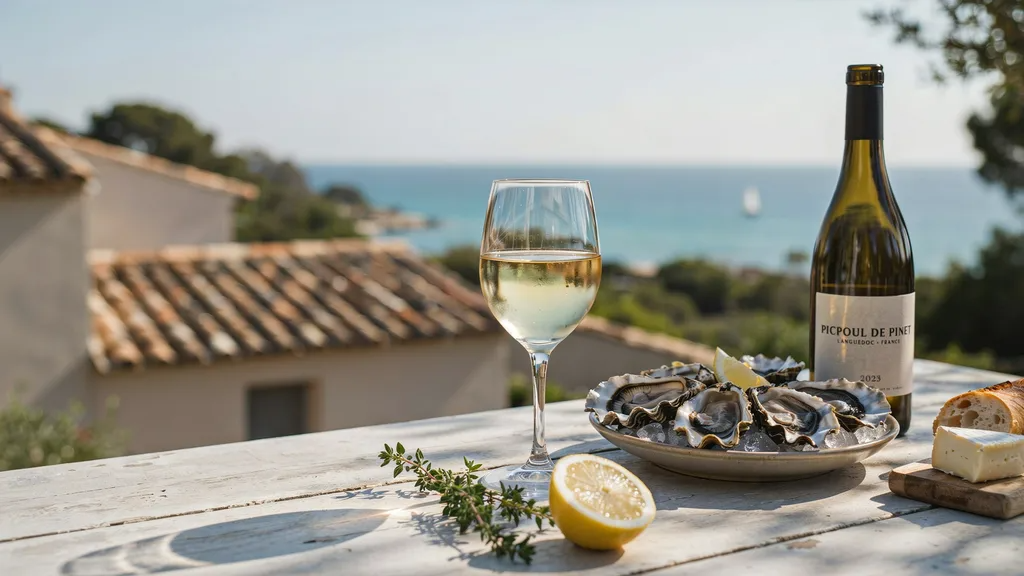
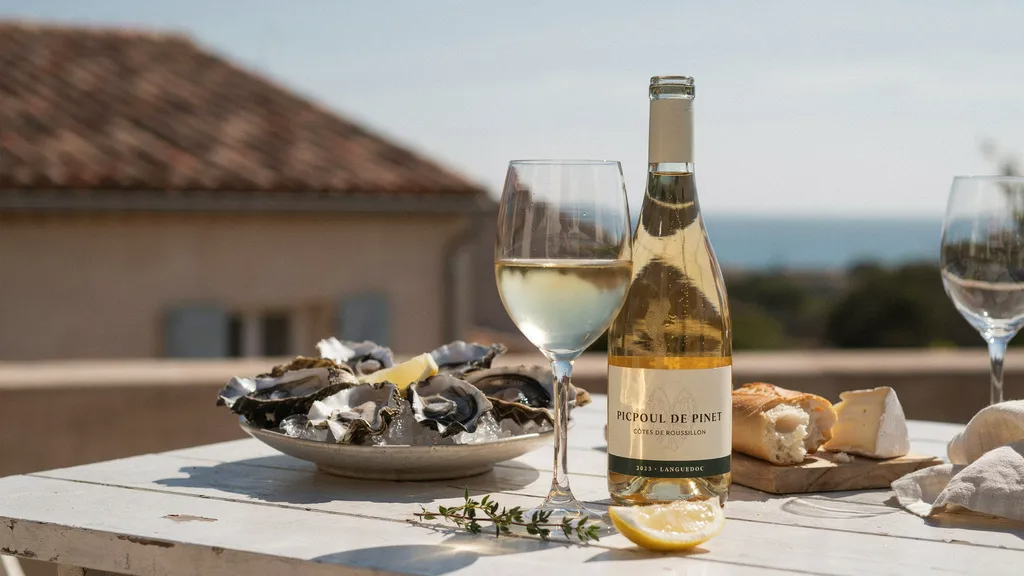
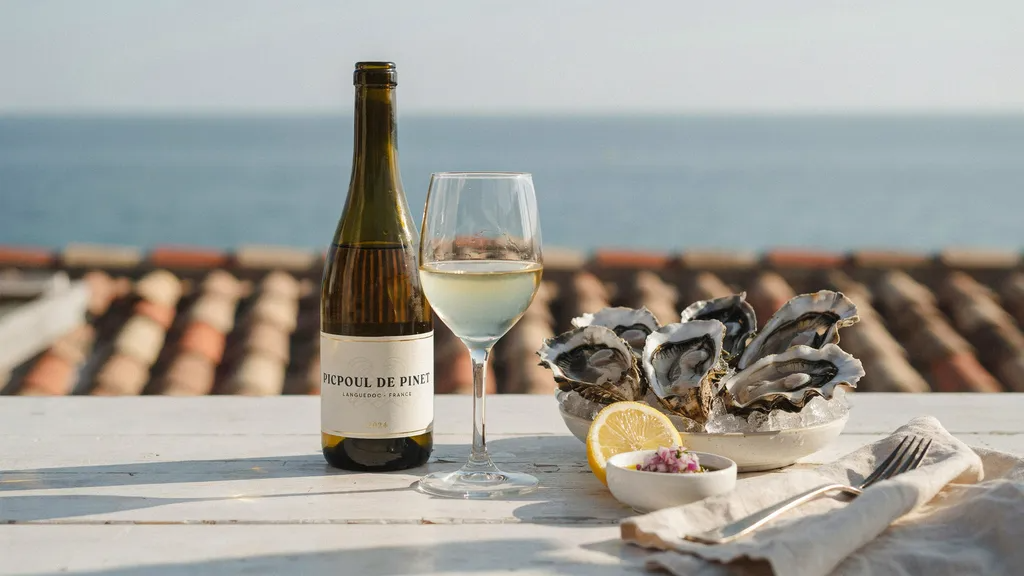
Picpoul loves food from the ocean. Since the vines grow right next to the sea, the wine and local seafood are best friends. Think about a big plate of raw oysters on a bed of crushed ice. Squeeze a little fresh lemon over the top of the oysters. Then take a sip of your chilled wine. The tart flavor of the drink cuts right through the rich and salty oyster meat. It is a magical match for your mouth. You can also pair this wine with fried calamari, grilled shrimp, or a whole fish cooked over an open fire. The crisp nature of the wine cleans your palate after every single bite of greasy or oily food. It makes your meal taste lighter and much more exciting from the first course to the very last bite on your plate.
Comparing It to Other Whites
Many people compare picpoul to pinot grigio or sauvignon blanc. That makes a lot of sense because they are all light and dry white wines. Sauvignon blanc often smells like green grass and herbs. Pinot grigio can sometimes taste a bit neutral and soft. But picpoul brings its own special kind of bright, salty citrus punch. It has a rounder texture than some sauvignon blancs, but it keeps that same mouth-watering zing. If you usually order a glass of crisp Italian white wine at a restaurant, this French option makes a fun and easy switch. It gives you that familiar dry finish with a brand-new set of citrus and mineral aromas to explore. It is a great way to expand your wine journey without leaving your comfort zone.
Fun Facts to Know
Did you know that the green bottle with the wave design is a signature look for many producers? Local winemakers worked together to create a custom bottle shape. It features a carved wave near the bottom to show how close the vines live to the sea. Another fun detail is that the harvest happens very early in the morning. Workers go out into the fields before the sun comes up. They pick the cool grapes in the dark so the fruit does not get hot in the morning sun. This keeps the delicate aromas fresh and intact. Winemakers also ferment the juice very quickly to lock in that vibrant youthfulness. These clever steps show how much care goes into making a bottle that looks and tastes so simple, bright, and delightful in your hand.
Why Wine Lovers Love It
Wine drinkers love picpoul because it offers amazing value for the money. You do not have to spend a fortune to get a great bottle. Unlike fancy bottles from other famous regions, this seaside wine stays very affordable. It is a workhorse bottle that never lets you down at a dinner party. You can hand a glass to a casual drinker or a strict wine expert. Both people will smile and say it tastes fantastic. It is honest, straightforward, and delicious. There are no fake flavors or heavy gimmicks hiding in the bottle. It gives you exactly what it promises: a splash of sunshine and a burst of clean citrus flavor. Keeping a cold bottle ready in your fridge means you are always prepared for a surprise visit from a good friend.
Frequently Asked Questions
Is picpoul a sweet or dry wine?
It is a very dry wine. There is almost no residual sugar left in the bottle after fermentation. It tastes tart and crisp rather than sweet or fruity-sweet.
How do you pronounce the word?
You say it like peek-pool. It rolls off the tongue pretty easily once you practice it a couple of times out loud with your friends.
Can you age this wine for many years?
No, you should drink it young. It tastes best within one or two years of the harvest date. Aging it in your cellar will not make it better.
What temperature is best for drinking?
Keep it very cold. Around forty-five to fifty degrees Fahrenheit is the sweet spot. Pop it in the fridge for a few hours before pouring.
Is it hard to find in stores?
Most good wine shops carry at least one bottle from the Languedoc region. If your local store does not have it, ask the clerk to order some for you.
What is the alcohol level like?
It usually sits around twelve to thirteen percent alcohol by volume. This makes it a light and refreshing choice for a casual lunch or dinner.
Conclusion
Picpoul is truly a wonderful wine that deserves a spot in your fridge. It brings a bright splash of the French seaside straight to your dinner table. With its zesty lemon flavors and crisp finish, it turns an ordinary Tuesday night dinner into a fun little getaway. Do not be afraid to try something new the next time you go shopping for a bottle of white wine. Pour a cold glass, cook up some fresh shrimp or fish, and enjoy the simple pleasures of good food and great company. Have you ever paired a crisp white wine with your favorite seafood dish before?