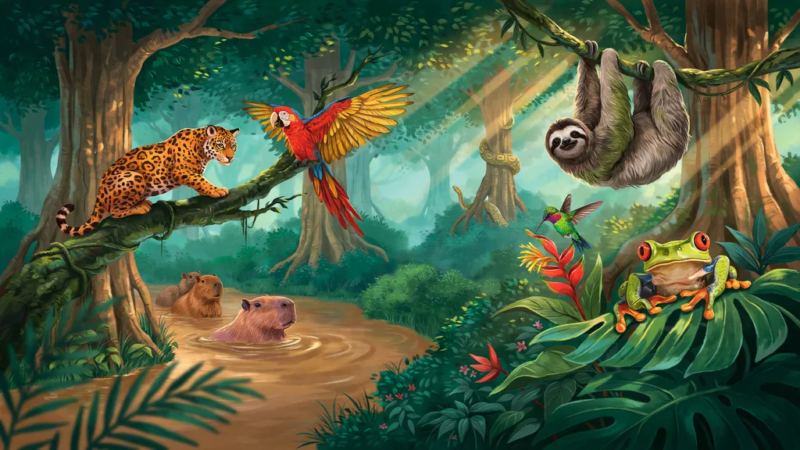
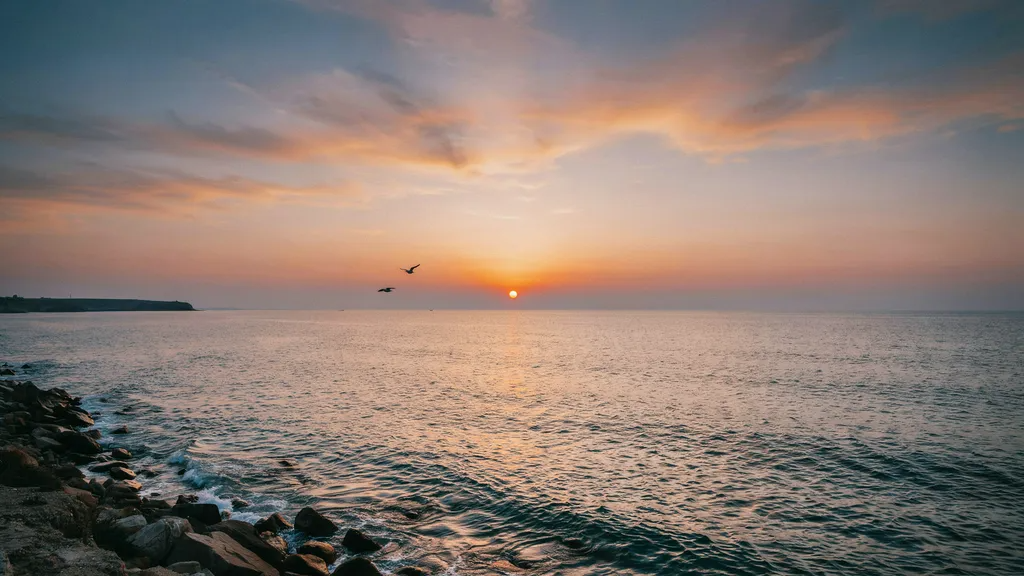
Have you ever looked at the sky and wondered why the sun goes down at a different time today than it did last week? Sunset Time It is a really cool puzzle! The Earth is not sitting still in space. It spins like a top, but it also tilts to the side like a spinning toy that is leaning over. As our big planet travels in a giant circle around the bright sun, that tilt makes the sun look higher or lower in our sky.
When your part of the Earth tilts toward the sun, the days get longer. That means the sunset time gets pushed later into the evening. When your side tilts away, the days get short, and the sunset time happens much earlier before dinner. This neat dance keeps repeating year after year. It gives us long summer nights and cozy winter afternoons. The exact sunset time depends entirely on where you stand on our round globe. If you move just a little bit north or south, the clock will show a totally different minute for the end of the day.
The Magic of Golden Hour and Twilight
Before the final sunset time arrives, the world gets a soft, glowing makeover called the golden hour. Photographers love this special part of the afternoon because the light is warm, gentle, and kind. The sun is low in the sky, so it has to shine through a lot of air. This air acts like a giant filter. It scatters the harsh blue light away and lets the warm red, orange, and golden rays paint everything they touch.
Right after the sun dips below the horizon, twilight begins. Twilight is that lovely in-between time when it is not quite day and not quite night. The sky might turn pink, purple, or deep blue. Even though the official sunset time has passed, you still have some lovely natural light to play outside or take a nice walk. Nature puts on a free show every single evening. You just have to look up and notice when the shadows start to stretch out long and thin across the grass.
How Geography and Time Zones Shift the View
Where you live changes the sunset time in a big way. Imagine two friends talking on the phone. One lives on the east coast of a country, and the other lives on the west coast. The friend on the east coast will see the sunset time happen hours earlier! That is because the Earth spins from west to east, bringing the morning sun to the eastern side first and taking it away there first, too.
Mountains and tall buildings can also play tricks on your eyes. If you stand right next to a giant mountain, the sun might disappear behind the rock long before the actual sunset time calculated by math formulas. On the flip side, if you stand on a flat beach looking out at the ocean, you can watch the sun touch the water right down to the exact second. Latitude matters a lot as well. Places near the top and bottom of the Earth get wild changes in the sunset time, while places near the middle have very steady evenings all year long.
Seasons and the Tilt of the Earth
Seasons make the biggest difference in when the sunset time shows up on your kitchen clock. During the summer season, your half of the Earth gets the most direct sunlight. This makes the sun stay up in the sky for a much longer stretch of hours. Because of this, the evening sunset time might not happen until nine o’clock at night!
Then the wheel turns, and winter arrives. Your half of the Earth tilts away from the warm sun rays. The sun takes a shorter, lower path across the sky during the day. That means the sunset time creeps up on you fast, sometimes happening right around five o’clock in the afternoon. It feels like the day just started and then—boom—it is already dark outside. Spring and autumn are the great balancers. During those months, day and night share the clock more evenly, and the sunset time moves by just a tiny minute or two each day.
Why Colors Change in the Evening Sky
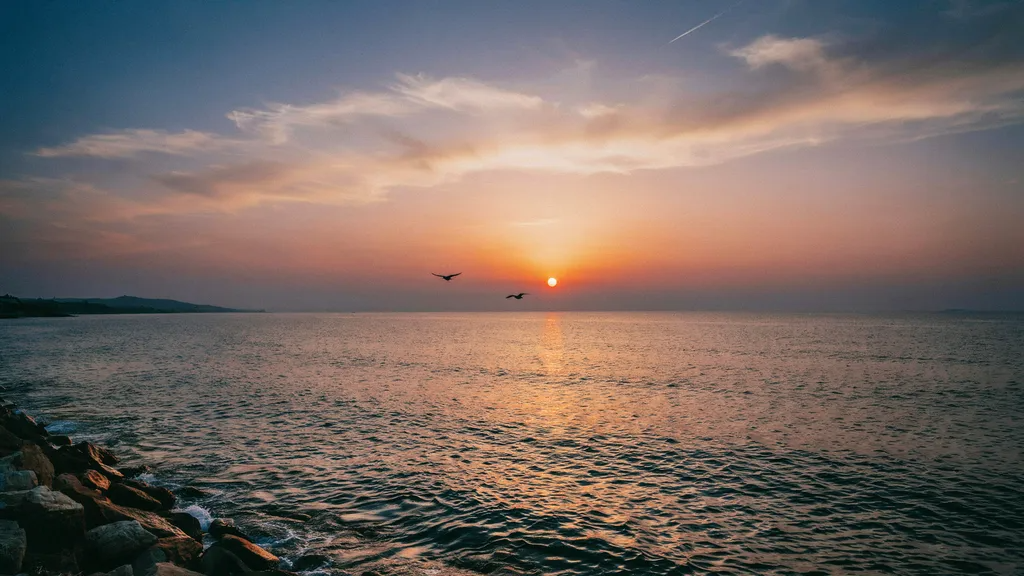
Have you ever wondered why some evenings give us fiery red skies while other nights are just plain gray? The secret is in the air around us! The sunset time brings different colors depending on what is floating in the atmosphere. Tiny bits of dust, tiny drops of water in clouds, and even smoke can change how the light bounces around.
When the air is super clean after a fresh rainstorm, the sunset time might show bright yellows and soft pinks. But if there are puffy clouds high up in the sky, those clouds catch the last burning rays of the sun. They act like giant movie screens reflecting deep orange and blazing red colors for everyone to see. It is just like mixing paint on a tray. The sun gives the color, and the tiny pieces floating in the air mix it all together into a wonderful evening masterpiece.
Tracking the Sun with Modern Tools
In the old days, people had to guess the sunset time by watching the shadows get long or by looking at sundials in the town square. Today, we have tiny computers in our pockets that tell us the exact sunset time down to the single second! Weather apps and clock widgets use smart math based on your GPS location to figure out where the sun is at any given moment.
Knowing the exact sunset time helps us plan our lives better. You can figure out when to walk the dog, when to start cooking dinner, or when to head to the park to catch the pretty colors. Photographers use these apps to make sure they do not miss the golden light. Farmers use them to know when they need to finish up their chores in the fields before the dark night settles in. It is amazing how a simple number on a screen connects us to the big spinning planet we call home.
Fun Facts About Polar Days and Nights
Did you know there are places on Earth where the sunset time does not happen for months at a time? Near the North and South Poles, nature works on a totally different set of rules! During the summer months up there, the sun just circles around in the sky all day and all night. There is no traditional sunset time at all, and it stays bright outside at midnight.
Then, when winter comes, the opposite happens. The sun stays hidden below the horizon for weeks or months. The sunset time feels like it lasts all winter long! People who live in these snowy places have to use special lamps to feel happy and awake because they miss the normal cycle of day and night. Learning about these extreme places makes us appreciate our normal daily sunset time right in our own backyards even more.
Planning Outdoor Activities Around the Light
Planning a fun outdoor trip is much easier when you check the sunset time before you walk out the door. If you want to go on a family hike in the woods, you always need to know when the dark will arrive. Getting lost in the trees after the sunset time passes is no fun at all, and it can be pretty scary for kids!
Always give yourself an extra hour of daylight before the official sunset time arrives. That way, you have plenty of time to walk back to your car or finish your game at the park. If you love taking photos or making videos, getting outside right before the sunset time gives you the best lighting for your camera. A little bit of planning turns a simple evening walk into a magical memory that your family will talk about for a long time.
How Animals React to the Evening Glow
Animals do not need a clock on the wall to know the sunset time is near. They have a built-in biological clock that tells them when the day is ending. Birds start singing a different, quieter song as the light fades. Bugs like fireflies wake up and start flashing their little lights in the dark grass.
Nocturnal animals, like owls and raccoons, wake up from their daytime naps right around the sunset time. They get ready to hunt or search for food while the rest of us are heading inside for supper. Farm animals, like cows and chickens, also know the routine. Chickens walk back to their coops all by themselves when the sunset time approaches because they know it is time to sleep safely away from foxes. Watching nature respond to the fading light is one of the quietest and best parts of the day.
Conclusion
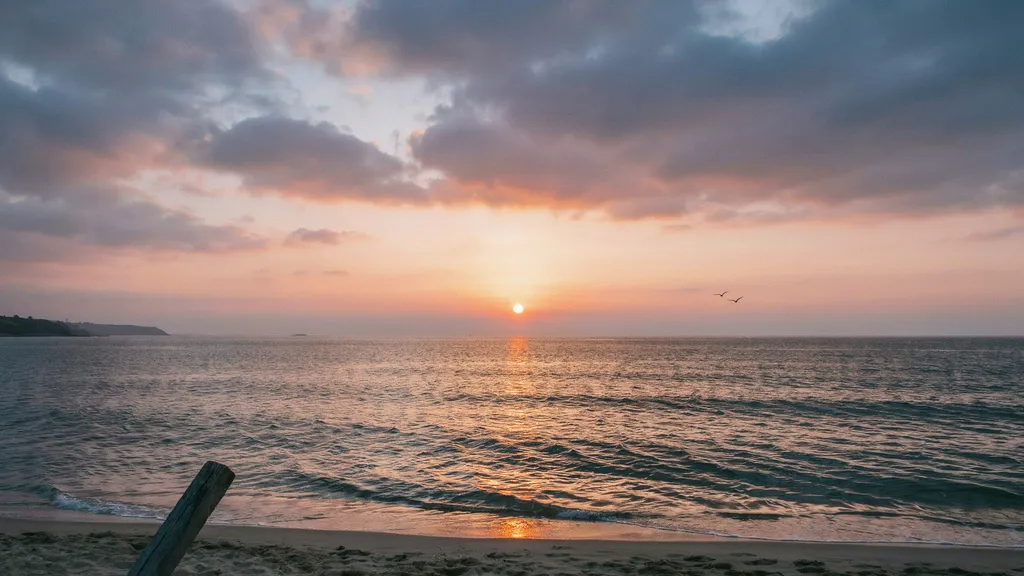
Watching the end of the day is a wonderful habit to start. Next time you see the sky turn orange, check your phone to see the exact sunset time and watch how the shadows move. Step outside, take a deep breath of the cool evening air, and enjoy the colors.
What is your favorite memory of watching the sky change color at the end of the day?
Detailed Information Table
| Feature / Factor | Morning Light | Golden Hour | Evening Twilight | Nighttime |
| Sun Position | Rising in the east | Low in the sky | Below the horizon | Fully dark |
| Light Quality | Bright and clear | Soft and warm | Dim and colorful | Dark with stars |
| Activity Level | Waking up and starting | Relaxing and snapping photos | Heading indoors | Resting or nocturnal hunting |
Frequently Asked Questions
What is the exact definition of sunset time?
It is the precise moment when the upper edge of the sun disappears below the western horizon.
Why does the sun look red during the evening?
The low angle of the sun makes light travel through more air, filtering out blue rays and leaving red and orange.
Does the sun set at the same time everywhere on Earth?
No, the time changes based on your specific location, time zone, and the tilt of the Earth.
What is the golden hour?
It is the warm, soft period of time right before the sun goes down completely.
Do animals know when the sun is going down?
Yes, animals have natural internal clocks that react to the fading light and changing temperature.
How can I find the correct evening schedule for my town?
You can use a weather app or a dedicated sun-tracking app on your phone with your location turned on.